So I was going to share a brilliant, erudite blog on the history of voting rights. But honestly, you don’t want that lecture. Instead, let’s try this list.
In sum: access to voting has always been a matter of debate. About keeping out ‘other’ people, via immigration and naturalization laws. And about using State laws and practices to limit legal voters.
- The Founders didn’t want to deal with “who” votes so they left it to the States.
- States originally kept lots of people from voting: by race [Black people and Native Americans especially], gender [Women] and religion [non-Christians]. They also limited by age (21) and wealth [property-owning or tax-paying]. And sometimes by Citizenship.
- Except NEW JERSEY! Go NJ, which put no such restrictions in its State Constitution. And in 1790 explicitly said ‘he or she’ in the Election Law. And women did vote! Until 1807, when NJ made it White male citizens. Darn.
- The Founders gave the “who” becomes new citizens to Congress. [Born here? You have ‘birth right’ citizenship – unless you’re not White!] The first Naturalization Act in 1790 said new citizens must be White. And had a residency requirement which changed over time but the race requirement did not.
- Social and political pressure led to some changes: by the 1850s, no more property or religious requirements.
- But in 1857, Abolitionists lost a major fight. The Supreme Court ruled that Black people did not have any political or social rights. [Dred Scott] So the largest groups that remained dis-enfranchised were women and African Americans.
- What about non-citizens? Oh they could sometimes vote! As America moved West, Territories and States needed settlers to occupy the land they’d taken from the Native Americans. So they often offered voting rights to immigrants who said they’d become citizens someday.
- In 1865, Congress amended the Constitution. If you’re born or naturalized in the US, you are a citizen and have rights. Except Native Americans with tribal affiliations.
- In 1870, Congress said citizens could vote regardless of color or race. African Americans were over 25% of the population in nine Southern States and over 50% in three.
- So Southern States set up Jim Crow laws and local systems to prevent Black people from voting.
- And women said, if we are citizens why can’t we vote? And the Supreme Court said: no one has a right to the vote. You lose. [Virginia Minor]
- Native Americans were told they needed to live like White people if they wanted rights.
- Chinese were the next big target. Eastern States earlier tried to keep some Irish out when famine brought ‘too many’ here. Now Western States tried to keep out Chinese but were told only the Feds could do that [immigration control].
- And Congress acted in 1882, banning most Chinese from entering the US and generally making life difficult for any in the US.
Ok, we are now up to the early 1900s, are we having fun yet?
- The States had been managing ports and immigration, but now Congress gave that power to the Feds. They started charging a fee to come in and had lots of laws about who could NOT enter. They barred people who were different: physically, mentally, socially, politically…
- Meanwhile, women had been building power for three generations in their efforts to get the vote. In Western States they had already won suffrage but lots of other States refused. Especially the Southern States, because ya’know, they didn’t want more Black people trying to vote. But after lots of pressure and a World War, in 1919 – the House and Senate passed the Bill! And in 1920 – Women had the Vote!!
- Or did they? Well, not most Black women in the South or many Native Americans or Hispanics in some communities and other targeted groups.
- Now it’s 1924 and Native Americans become full citizens, even if they are not living as Whites. Of course, anti-suffrage tools can still keep them from voting.
- Sadly, a major Eugenics victory in 1927. The Supreme Court says the government can sterilize women to prevent them from reproducing. And implies that physical and mental issues are inheritable. They are ‘protecting’ the White race. Buck v Bell.
- Which fits perfectly with the new Immigration Law that sets quotas based on 1890, before all those Southern and Eastern Europeans [a lot of Jewish and Catholic people] poured into the US! And definitely limit anyone not from ‘White’ countries.
- But in WW2, the US realizes that we need the Chinese on our side. Oops. Time to stop excluding Chinese immigrants! Sort of. We repealed the Chinese Exclusion Act and made them eligible for citizenship — but with a quota of 105 per year.
- And in 1946, Congress extends similar rights to Indians and Filipinos – with small quotas, of course.
- But the world has really changed and is changing, so Congress rewrites the whole thing.
- The 1952 Immigration Act was all over the place. Ending race as a basis for citizenship was a real positive. But fear of communism was big, so the Act also made it easier to block or boot immigrants – and even naturalized citizens – for their perceived ideologies. New skills-based and family reunification categories were positive. But they kept the quota system, still heavily biased to Europe.
- Political winds blew harder: in 1965 a new Immigration Act provided more lasting change. An END to racial quotas! Instead, family relationships were the major preference, followed by skills-based needs. These changes eventually re-shaped America and voter demographics.
- And another historic change in 1965: The Voting Rights Act [VRA]! Finally, African American voters in the South had a chance to get to the polls. They can’t be kept back by special taxes, funky questions, special literacy tests. Violence, sadly, does not fully end. But many more voters have their voices heard.
- In 1975, Congress amended the VRA to protect first generation citizens who struggled with English. In 1982, voting was made more accessible to the disabled and elderly. In 1993, to encourage voting, Congress said citizens could register by mail, at DMVs, and other locations.
- In 2002, after the Hanging Chad fiasco of 2000, a new Act focused on equipment, registration lists and provisional ballots. And philanthropists began bringing much needed resources.
And that’s the end, right? Of course not. As you can tell, this is a living history – always more going on.
- In 2013, the Supreme Court gutted much of the enforcement provisions of the VRA.
- Some States swung back to the ‘good old days’ of keeping voters away from the polls.
- Despite no evidence, claims of ‘mass voter fraud’ began in 2016 and continue today – even before elections take place!
- Immigrants are again being targeted as evil or criminal or bad influences.
But one thing history teaches us: the pendulum can also swing forward if enough people push.
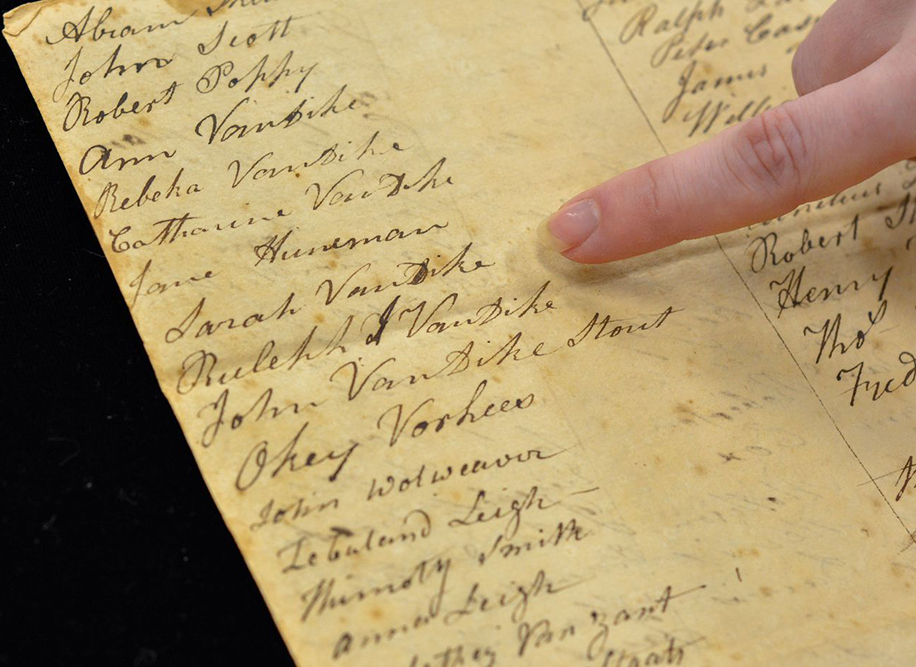
Pic from American Museum Revolution
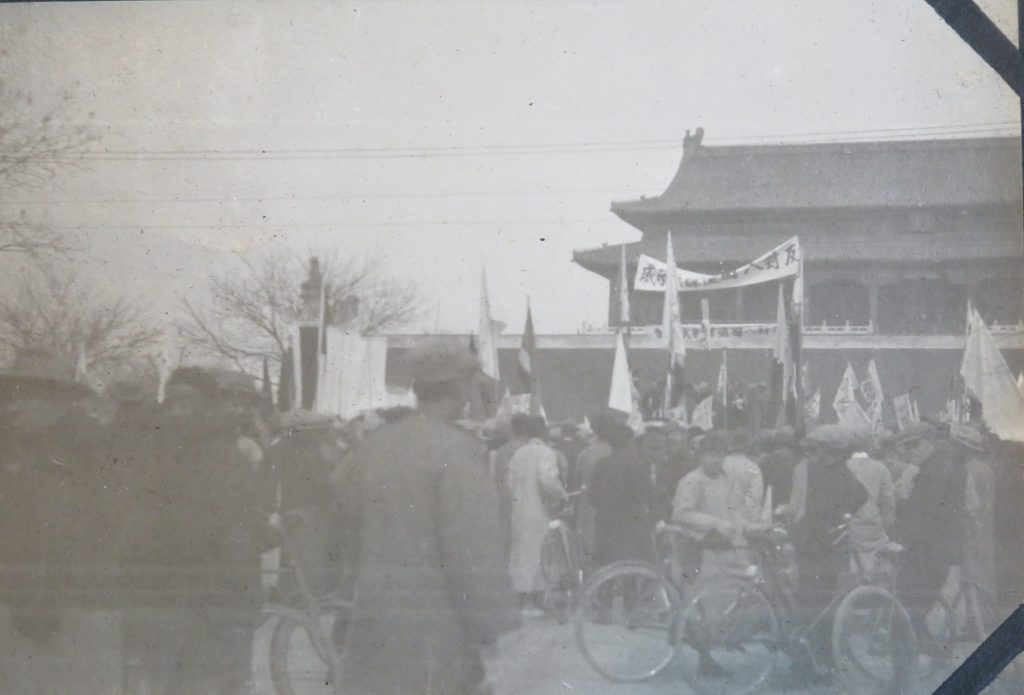


 Eye-Witness History
Leave a comment